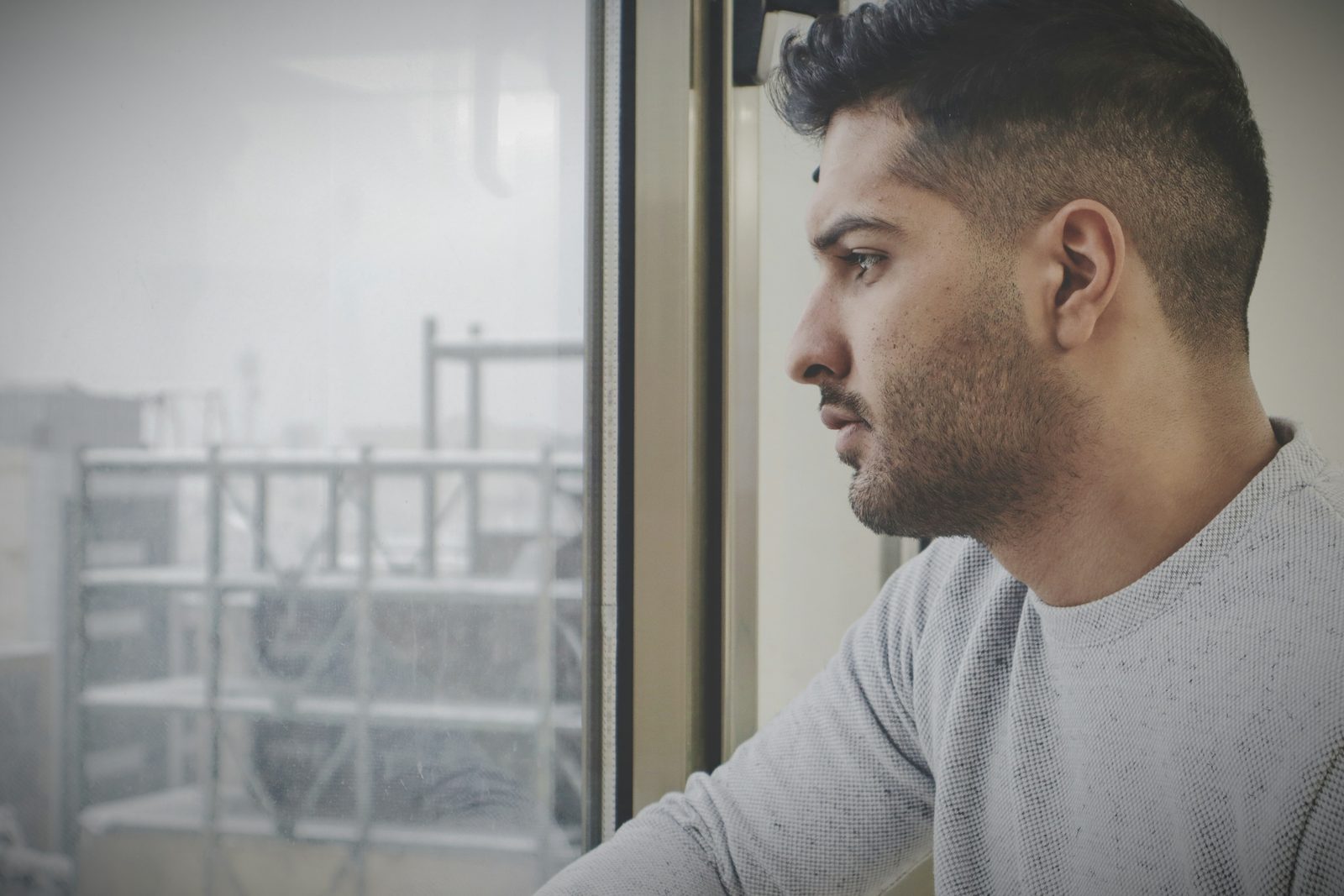
When a Small “No” Lands Like a Catastrophe
Someone gives you a bit of feedback on your work. Neutral, even kind. And your whole body goes cold, then hot. Your chest tightens. Something in you insists, with absolute certainty, that you’ve failed, that they’re disappointed, that maybe they never really liked you at all. Logically you know it was one comment about one spreadsheet. Emotionally, you’re bracing like the floor gave out.
If that’s familiar, you may be dealing with Rejection Sensitive Dysphoria, or RSD. It’s a term used by many in the ADHD community to describe the intense, sometimes physically painful emotional response to perceived rejection, criticism, or falling short. “Dysphoria” here is doing real work: the Greek root means “hard to bear,” and that’s exactly the point. For a lot of ADHD brains, rejection isn’t just unpleasant. It’s unbearable, in a way that’s hard to describe to anyone who doesn’t live it.
Why ADHD Brains Feel This So Hard
Nobody has RSD fully mapped, and it isn’t a formal diagnosis. But the leading understanding connects it to how ADHD affects emotional regulation. ADHD isn’t only about attention; it also touches the brain’s ability to modulate the intensity of a feeling and bring it back down to baseline. So where someone else might feel a small sting and move on, your dial swings straight to ten and gets stuck there.
Layer on top of that a lifetime of actual, accumulated rejection. If you grew up neurodivergent, you likely absorbed a staggering amount of correction. One widely cited estimate suggests kids with ADHD can receive tens of thousands more negative or corrective messages by adolescence than their peers. You were told to try harder, sit still, stop being so sensitive, why can’t you just. Your nervous system learned early that criticism was coming, and it built a very loud alarm to see it approaching. That alarm isn’t broken. It’s overtrained. There’s a difference, and the difference matters.
How RSD Actually Shows Up
RSD wears a lot of costumes, which is part of why it goes unrecognized for so long. It isn’t always visible crying or obvious hurt. Sometimes it looks like:
- Perfectionism and overwork — if the work is flawless, no one can criticize it, so you never rest.
- People-pleasing — abandoning your own needs to stay safely liked.
- Avoidance — not applying, not asking, not trying, because a “no” would cost too much.
- Sudden anger or defensiveness — the alarm firing outward instead of inward.
That last one surprises people. RSD can look like rage as easily as it looks like sadness, because a nervous system in acute pain doesn’t always sort itself neatly into “hurt.” The common thread underneath all of it is the same: a rejection that feels less like disappointment and more like danger.
Being Gentler With the Alarm
You can’t logic your way out of a feeling that arrives faster than thought. But you can change your relationship to it, and that’s where the real relief lives.
The single most useful move is naming it in the moment. When the flood comes, try telling yourself: this is RSD, this is my nervous system doing the thing, this feeling is real but it is not reliable information. That tiny bit of distance won’t stop the wave, but it can keep you from acting on the wave, which is usually where the damage happens.
It also helps to wait before responding. RSD peaks fast and passes faster than it feels like it will. The email you’d fire off at minute two often looks very different at minute ninety. Give the storm a chance to move through before you decide what it meant.
And be honest about the story your brain is telling. RSD narrates with total conviction: they hate you, you ruined it, you always do this. Notice how absolute and how cruel that voice is. You would never speak to a friend that way. You’ve simply had a lot of practice speaking to yourself that way, and practice can be unlearned.
If this pattern feels braided together with other traits, you’re not imagining it; emotional intensity threads through a lot of neurodivergent experience. Our ADHD and AuDHD pages hold more of this, and if you’re just orienting yourself, start here.
None of this is medical advice, and RSD isn’t something a blog post can treat. It’s education and shared experience. For clinical support, a neurodiversity-affirming professional can help you build tools that actually fit your brain. But you can start today with one radical act: believing that the pain is real, and that feeling it so intensely was never a character flaw. It was an alarm that loved you enough to stay loud.